






















Small adjustments that make a big difference. Why Neurodiversity training matters.
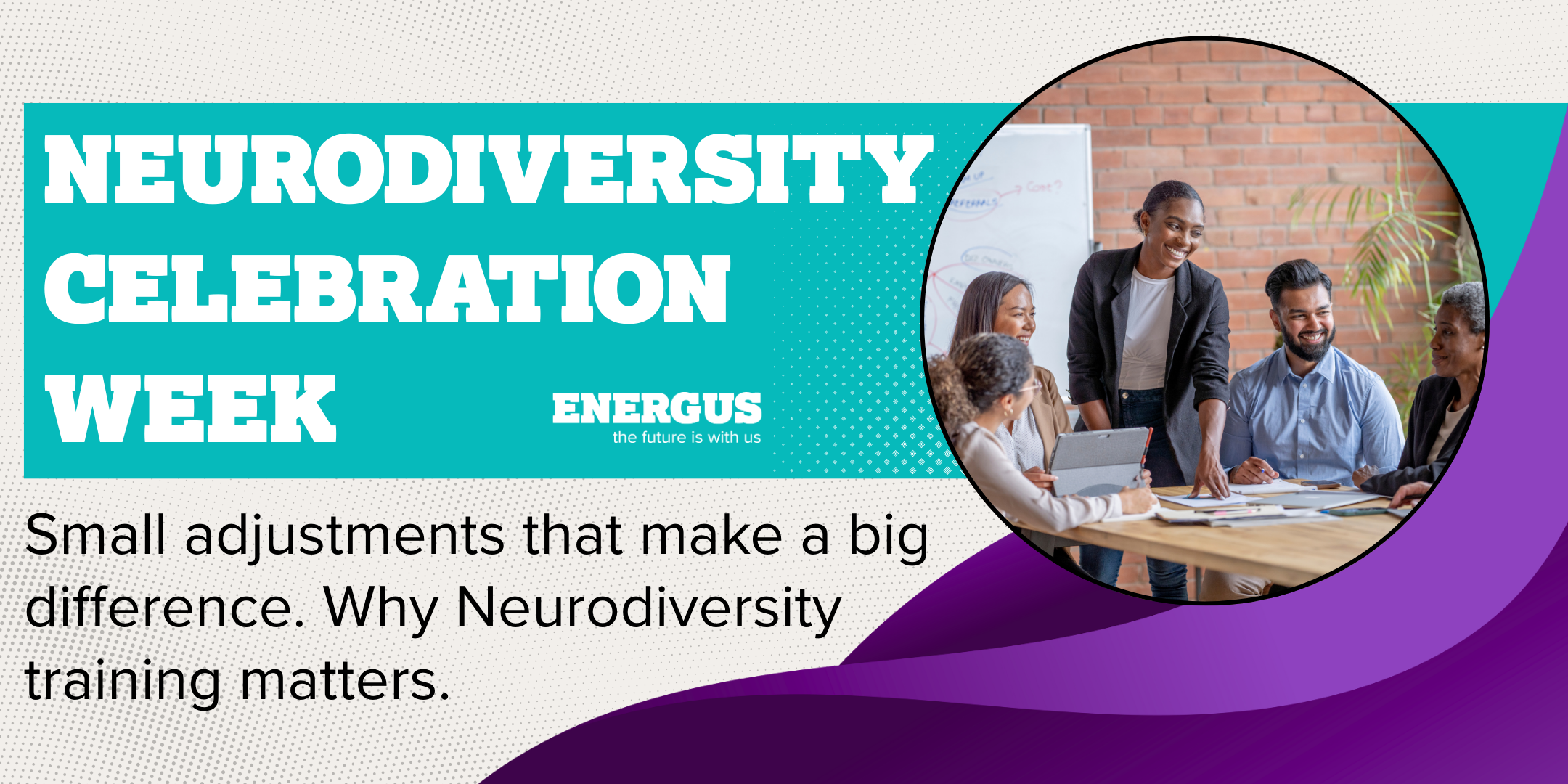
Neurodiversity Celebration Week often focuses on awareness. Awareness is important, but for many organisations the real challenge is knowing what to actually do next.
One of the most consistent messages that comes through our neurodiversity and workplace wellbeing training is that supporting neurodivergent colleagues rarely requires large, complex changes. More often, it is the small adjustments that make the biggest difference.
Training delivered through Better Bodies UK helps organisations move the conversation away from labels and towards practical inclusion. Many managers initially worry that supporting neurodivergent employees will require significant organisational change or specialist expertise. In reality, many of the adjustments that support neurodivergent people also improve working environments for everyone.
Something as simple as providing clear written instructions after meetings can reduce misunderstandings. Offering flexibility in how information is presented can support people who process information differently. Creating quieter spaces for focused work can benefit those who find busy environments overwhelming. Allowing people to structure their workday in ways that support concentration and productivity can significantly improve performance and wellbeing.
These are not complex solutions, but they are powerful ones.
Neurodiversity training helps teams understand how differences in communication, attention, processing and organisation may present in the workplace. It also helps managers feel more confident in having open conversations about what helps individuals work at their best.
Importantly, the goal is not to treat people differently. The goal is to create environments where different thinking styles are understood and supported.
When organisations begin to take this approach, they often discover that small adjustments not only support neurodivergent colleagues, they also create clearer communication, better team working and improved workplace wellbeing across the organisation.
Neurodiversity inclusion does not begin with large programmes or complex policies. It begins with everyday decisions about how we communicate, how we organise work and how willing we are to adapt.
Often, it is the smallest changes that make the biggest difference.
